Home Author
Author

James Anderson

Advertisement

Australia’s economy is diversified, with multiple sectors contributing to national income, employment, and international trade. Understanding the key industries driving gross domestic product (GDP) is essential for policymakers, investors, and business leaders seeking to anticipate trends, identify growth opportunities, and assess economic resilience. In 2026, Australia’s economic structure reflects both traditional resource-based industries and emerging knowledge and service sectors.

Mining and Resource Extraction

Mining remains one of Australia’s most significant contributors to GDP, exports, and government revenue. The country is rich in minerals, including coal, iron ore, gold, and lithium, which are in high demand internationally. Resource exports, particularly to Asian markets, provide substantial foreign exchange earnings and support regional economies.

Beyond extraction, the mining sector drives investment in infrastructure, logistics, and technology. Automation, advanced machinery, and digital monitoring systems enhance efficiency and productivity. Despite global commodity price fluctuations, mining continues to be a cornerstone of Australia’s economic strength.

Agriculture and Agribusiness

Australia’s agricultural sector contributes significantly to GDP and global trade. Key commodities include wheat, barley, beef, wool, dairy products, and wine. Agricultural exports strengthen trade relationships, particularly with Asia, the Middle East, and Europe, while supporting regional employment and supply chains.

Agribusiness innovation, including precision agriculture, sustainable practices, and biosecurity measures, enhances productivity and global competitiveness. Climate variability and water management remain challenges, requiring ongoing investment in research, technology, and adaptation strategies.

Manufacturing and Advanced Industries

Manufacturing contributes both to domestic GDP and to employment in urban and regional areas. Key sub-sectors include food processing, machinery, metal fabrication, and emerging high-tech manufacturing. Australia’s focus on advanced manufacturing, robotics, and additive production supports global competitiveness while integrating with knowledge-intensive industries.

While manufacturing faces challenges from global competition and rising costs, targeted innovation and investment in specialized, high-value products help maintain its contribution to GDP and economic diversification.

Services Sector: Finance, Education, and Healthcare

The services sector has grown to become the largest contributor to Australia’s GDP, encompassing finance, education, healthcare, tourism, and professional services. Financial services, including banking, insurance, and investment, support domestic economic activity and provide access to international capital markets.

Education, particularly international student programs, generates significant revenue while enhancing human capital development. Healthcare services contribute not only to GDP but also to social stability, workforce productivity, and regional development. The expansion of digital and telehealth services demonstrates the sector’s adaptability to changing demographic and technological trends.


Pages: 1 2

Advertisement

Australia’s economy has demonstrated resilience over the past decades, navigating global recessions, commodity fluctuations, and domestic challenges. As 2026 progresses, policymakers, investors, and business leaders are focusing on the medium-term economic outlook, assessing factors such as growth projections, employment trends, fiscal and monetary policies, and global market dynamics. Understanding these trends is essential for strategic decision-making across public and private sectors.

Projected Economic Growth

Australia’s economic growth over the next five years is expected to remain moderate but positive, driven by domestic consumption, resource exports, and technological innovation. GDP forecasts suggest steady expansion, though growth rates may fluctuate in response to global economic conditions, commodity demand, and inflationary pressures.

Key sectors contributing to growth include mining, technology, services, and healthcare. Infrastructure investment and urban development are also anticipated to support employment and stimulate economic activity, particularly in major metropolitan regions.

Inflation and Monetary Policy

Inflation management will remain a central focus of the Reserve Bank of Australia (RBA). After recent periods of heightened inflation, policymakers aim to maintain price stability while supporting employment and investment. Interest rate adjustments will be a primary tool for moderating inflationary pressures and guiding economic activity.

Homeowners, investors, and businesses will need to consider the impact of variable interest rates on borrowing costs, capital expenditure, and consumption. A balanced approach by the RBA is critical to sustaining economic stability while avoiding excessive constraints on growth.

Labor Market and Employment Trends

The Australian labor market is expected to remain robust, with continued demand for skilled professionals in technology, healthcare, engineering, and education. Workforce participation rates may increase as demographic trends, migration policies, and skills development initiatives influence labor supply.

Emerging industries, such as renewable energy and digital services, will create new employment opportunities, requiring adaptation in education and vocational training programs. Ensuring alignment between labor market needs and workforce capabilities is essential to maintaining low unemployment and fostering sustainable growth.

Fiscal Policy and Government Spending

Government fiscal policy will play a significant role in shaping the medium-term economic outlook. Public investment in infrastructure, healthcare, education, and climate initiatives is projected to stimulate economic activity while addressing societal priorities. Budget management will aim to balance growth promotion with sustainable debt levels.

Tax policies, incentives for business investment, and social support measures will further influence consumption, household confidence, and corporate behavior. Strategic allocation of fiscal resources is critical to enhancing productivity, competitiveness, and long-term economic resilience.

Pages: 1 2

Advertisement

The entertainment industry in Australia, like elsewhere, is often subject to intense media scrutiny. Scandals involving celebrities, producers, and industry figures frequently dominate headlines, shaping public perception and influencing cultural narratives. However, the portrayal of these events in the media does not always reflect the full reality, and understanding the divergence between media representation and actual circumstances is critical for both audiences and industry stakeholders.

The Role of Media in Shaping Scandals

Media outlets play a central role in amplifying entertainment scandals. Tabloids, online news platforms, and social media channels often focus on sensationalism, highlighting controversy to attract readership and engagement. The immediacy of digital media accelerates the dissemination of rumors and unverified reports, sometimes distorting facts in pursuit of clicks and ratings.

In Australia, entertainment journalism has grown increasingly competitive, with 24-hour news cycles and social media updates intensifying pressure on reporters. While media coverage can bring important issues to light, such as workplace misconduct or legal disputes, it may also prioritize entertainment value over accuracy.

Celebrity Privacy and Public Perception

Scandals often blur the line between public and private life, particularly for high-profile Australian actors, musicians, and media personalities. Intrusions into personal matters, relationships, or off-screen behavior can generate public outrage or curiosity, even when the events have limited relevance to professional conduct.

The public perception of scandals is shaped by narrative framing, selective reporting, and viral dissemination. As a result, audiences may form opinions based on incomplete or biased information, reinforcing stereotypes or amplifying misconceptions about individuals or the broader industry.

Legal and Ethical Considerations

Many scandals in the entertainment industry intersect with legal and ethical considerations. Allegations of misconduct, breaches of contract, or defamation involve both judicial processes and moral scrutiny. Australian law provides mechanisms to protect individuals from false or damaging claims, including defamation laws and privacy protections, yet these legal frameworks often unfold slowly compared to the rapid pace of media coverage.

Understanding the distinction between allegations, verified facts, and media interpretation is essential for assessing the accuracy and significance of reported scandals. Ethical reporting, coupled with critical audience evaluation, helps mitigate the risk of misinformation and reputational harm.

Pages: 1 2

Advertisement

Australia’s television industry has experienced significant growth in both domestic popularity and international recognition. Over the past decade, Australian TV shows have increasingly attracted global audiences through streaming platforms, co-productions, and festival circuits. The combination of unique storytelling, high production values, and diverse cultural perspectives has positioned Australian television as a rising force in international entertainment.

Evolution of Australian Television

Australian television has evolved from a primarily domestic-focused industry into one with global reach. Early successes in soap operas and dramas such as “Neighbours” and “Home and Away” introduced international audiences to Australian talent and storytelling. Over time, the industry expanded into diverse genres, including crime dramas, reality programming, and comedy, reflecting both local culture and universal themes.

The shift toward international distribution has been facilitated by the rise of streaming platforms, which allow Australian content to reach audiences without traditional broadcasting limitations. This transition has opened new avenues for exposure and revenue, encouraging investment in high-quality production.

High-Quality Drama and Narrative Storytelling

Australian drama series have become particularly prominent on the international stage. Shows such as “Mystery Road,” “Wentworth,” and “Secret City” combine compelling narratives with strong character development, resonating with audiences worldwide. These productions often explore themes of justice, identity, and social issues, providing cultural insight while maintaining broad appeal.

High-quality writing, experienced directors, and skilled actors contribute to the global success of these dramas. The ability to balance culturally specific storytelling with universally relatable narratives enhances the export potential of Australian television.

Comedy and Unique Cultural Perspectives

Australian comedy has also gained attention internationally, often characterized by irreverent humor, satire, and cultural specificity. Programs such as “Utopia” and “Please Like Me” showcase distinctive Australian voices while engaging with themes that resonate broadly, including workplace dynamics, personal relationships, and social commentary.

Comedy exports demonstrate the versatility of Australian television, appealing to diverse audiences while preserving a sense of national identity. International appreciation of this genre has reinforced the industry’s reputation for creativity and originality.

Reality and Lifestyle Programming

Reality and lifestyle programming are another area where Australian TV has achieved global traction. Cooking competitions, travel series, and makeover shows such as “MasterChef Australia” and “The Block” combine entertainment with aspirational content. These formats are highly adaptable and have been licensed or remade in multiple countries, highlighting the international marketability of Australian production concepts.

Such programs also showcase Australia’s natural beauty, urban culture, and social dynamics, providing both entertainment and cultural export value. The visual appeal and engaging formats contribute to sustained international interest.

Pages: 1 2

Advertisement

Australia has emerged as a prominent destination for international film production, attracting major Hollywood studios and independent filmmakers alike. The combination of diverse landscapes, skilled professionals, favorable financial incentives, and high-quality infrastructure has positioned the country as a competitive alternative to traditional production hubs. Understanding why Hollywood chooses Australia illuminates both the country’s creative strengths and its strategic role in the global entertainment industry.

Diverse and Scenic Locations

One of Australia’s most significant advantages in film production is its wide range of natural and urban landscapes. From pristine beaches and rugged outback terrains to cosmopolitan cities like Sydney and Melbourne, the country offers visually striking locations for a variety of genres, including action, drama, and science fiction.

These natural and architectural backdrops reduce the need for extensive set construction or digital effects, saving production costs and enhancing cinematic realism. Filmmakers benefit from the ability to shoot multiple settings within a single region, facilitating logistical efficiency and creative flexibility.

Skilled Workforce and Industry Expertise

Australia boasts a highly skilled workforce in film production, including directors, cinematographers, production designers, visual effects artists, and technical crew. Institutions such as the Australian Film, Television and Radio School provide rigorous training, ensuring a steady pipeline of professionals capable of meeting international production standards.

The local workforce’s expertise allows Hollywood studios to execute complex projects efficiently, minimizing the need to import labor while maintaining high-quality results. This combination of skill, experience, and professionalism makes Australia a reliable partner for large-scale productions.

Pages: 1 2

Advertisement

The Australian music industry has long been a dynamic and influential sector, producing artists who have achieved both national and international recognition. In recent years, a new generation of rising talent has emerged, leveraging digital platforms, innovative production techniques, and global networks to reach audiences beyond Australia’s borders. This evolution reflects both the creative diversity of the country and the growing accessibility of global music markets.

Historical Context of Australian Music

Australia’s music scene has historically combined local culture with international influences, producing globally successful artists in genres ranging from rock and pop to electronic and hip-hop. Iconic figures such as INXS, AC/DC, Kylie Minogue, and Tame Impala established a foundation of creative excellence and international visibility.

This heritage has influenced contemporary artists, creating an environment in which innovation, experimentation, and global outreach are central to career development. Government support, music festivals, and a strong live performance culture further contribute to a thriving domestic industry that serves as a launchpad for emerging talent.

Digital Platforms and Global Reach

The rise of streaming services, social media, and online music platforms has transformed the way Australian artists connect with audiences. Platforms like Spotify, Apple Music, YouTube, and TikTok allow musicians to share content, build fanbases, and promote their work internationally without reliance on traditional record labels.

Rising artists leverage these tools to achieve viral success, expand tour opportunities, and attract collaborations with international producers and performers. Digital visibility has become a critical factor in career development, particularly for emerging musicians seeking to break into global markets.

Notable Emerging Artists

Australia’s current generation of rising artists spans multiple genres and reflects the country’s cultural diversity. Indie-pop acts, electronic producers, hip-hop performers, and alternative bands are gaining attention both domestically and internationally. These artists often combine distinctive Australian storytelling with universal themes, enabling broader audience engagement.

Artists such as Genesis Owusu, Sycco, Tkay Maidza, and Lime Cordiale exemplify this trend. Their innovative production, lyrical depth, and international collaborations illustrate the capacity of Australian talent to compete in a global music environment while retaining unique cultural perspectives.

Role of Music Festivals and Live Performances

Live performances and festivals remain crucial in promoting emerging artists. Events like Splendour in the Grass, Falls Festival, and Big Day Out provide platforms for exposure, networking, and fan engagement. Regional tours also play a role, allowing musicians to cultivate domestic audiences and refine their performance skills.

The live sector not only generates revenue but also enhances the visibility of new artists, enabling them to transition from national recognition to international opportunities. The combination of live exposure and online promotion creates a synergistic effect that accelerates career growth.

Pages: 1 2

Advertisement

Australia has a rich tradition of producing actors and filmmakers who have achieved international recognition and success. From Hollywood blockbusters to critically acclaimed independent films, Australian talent has consistently made a significant impact on global cinema. The combination of rigorous training, diverse cultural perspectives, and international opportunities has allowed Australian actors and directors to secure prominent positions in the competitive global entertainment industry.

Historical Context of Australian Influence in Cinema

Australian actors began gaining recognition in international cinema during the late 20th century, with the success of performers such as Nicole Kidman, Mel Gibson, and Geoffrey Rush. These actors set a precedent for subsequent generations, demonstrating that Australian performers could compete on the world stage while maintaining connections to their domestic film industry.

Australian cinema itself, including films like “Picnic at Hanging Rock” and “Mad Max,” helped cultivate a global appreciation for storytelling that combines local culture with universal themes. This dual presence—domestic excellence and international visibility—has created a pipeline for talent to transition into Hollywood and other global markets.

Nicole Kidman: A Career of Versatility and Acclaim

Nicole Kidman is one of Australia’s most prominent cinematic exports. With a career spanning multiple decades, she has earned critical acclaim and numerous awards for performances in films ranging from romantic dramas to psychological thrillers. Kidman’s ability to adapt to diverse roles and her commitment to character immersion have made her a consistent presence in high-profile international productions.

Her influence extends beyond acting; Kidman has produced and supported projects that highlight complex female narratives, contributing to the evolving landscape of global cinema. Her career exemplifies the balance between domestic roots and international success that characterizes top Australian talent.

Chris Hemsworth and Action Cinema

Chris Hemsworth is best known for his portrayal of Thor in the Marvel Cinematic Universe, establishing himself as a leading figure in global action cinema. Hemsworth’s physicality, charisma, and appeal to international audiences have made him one of the most bankable Australian actors in contemporary film.

Beyond superhero franchises, Hemsworth has taken roles in dramas and thrillers, demonstrating versatility and a willingness to explore varied genres. His career illustrates the capacity of Australian actors to dominate high-grossing blockbuster markets while expanding into broader cinematic contexts.

Margot Robbie: Emerging Influence and Production Work

Margot Robbie represents a newer generation of Australian actors achieving global prominence. Her performances in both biographical dramas and franchise films have received critical and commercial recognition. Beyond acting, Robbie has established a production company that focuses on content creation, particularly projects featuring strong female perspectives.

Robbie’s trajectory demonstrates the multifaceted approach of modern Australian talent, blending performance excellence with creative leadership. Her global influence reflects the growing recognition of Australian actors as not only performers but also content creators shaping international cinematic narratives.

Pages: 1 2

Advertisement

Australia’s superannuation system is a cornerstone of retirement planning, designed to ensure financial security for residents in their post-working years. Understanding how it operates, its regulatory framework, and the strategies for optimizing contributions is essential for both employed and self-employed individuals. In 2026, the system continues to evolve, reflecting demographic changes, economic conditions, and government policy adjustments.

What is Superannuation?

Superannuation, commonly referred to as “super,” is a compulsory savings system in Australia aimed at providing income during retirement. Contributions are made by employers, employees, and, in some cases, the government, into a dedicated superannuation fund. These funds are invested across various asset classes, including equities, bonds, property, and cash, to generate returns over time.

The purpose of superannuation is to reduce reliance on the age pension and encourage self-sufficiency in retirement. Contributions are generally preserved until retirement age, with limited access prior to specific circumstances such as severe financial hardship or medical conditions.

How Contributions Work

The foundation of the superannuation system is employer contributions. Under current legislation, employers are required to contribute a percentage of an employee’s ordinary earnings into a super fund. This rate, known as the Superannuation Guarantee (SG), is periodically reviewed and adjusted by the government.

Employees may also make voluntary contributions, either before-tax (salary sacrifice) or after-tax, to increase their retirement savings. Government co-contributions may be available for eligible low- and middle-income earners who make personal contributions, providing an additional incentive to save. Understanding the types of contributions and their tax treatment is essential for effective retirement planning.

Investment Options and Fund Types

Superannuation funds offer a range of investment options, allowing members to align their risk tolerance with expected returns. Conservative options focus on lower-risk assets such as bonds and cash, while balanced or growth options include equities and property with higher potential returns and associated volatility.

Residents can choose between industry funds, retail funds, public sector funds, or self-managed superannuation funds (SMSFs). Each fund type has specific features, fees, and governance structures. Selection depends on individual preferences, financial literacy, and investment goals, making informed decision-making critical.

Taxation and Superannuation

The Australian superannuation system benefits from favorable tax treatment, which incentivizes long-term savings. Contributions made before-tax are generally taxed at a concessional rate, typically lower than marginal income tax rates. Investment earnings within the super fund are taxed at a reduced rate, and withdrawals in retirement are often tax-free for those meeting age and preservation requirements.

Understanding the tax implications of contributions, investment earnings, and withdrawals allows residents to maximize benefits while ensuring compliance with regulatory rules. Tax planning in conjunction with superannuation strategy can significantly enhance retirement outcomes.

Accessing Superannuation

Superannuation is generally preserved until reaching the “preservation age,” which varies depending on birth year but typically ranges between 55 and 60. Upon reaching preservation age and retiring, members can access their super through lump-sum payments, regular income streams, or account-based pensions.

Limited access before retirement is possible under specific circumstances, including financial hardship, severe medical conditions, or compassionate grounds. Understanding the rules surrounding preservation and withdrawal ensures that members can make informed decisions about liquidity and retirement income planning.

Pages: 1 2

Advertisement

Managing personal finances in Australia requires careful planning, awareness of local economic conditions, and an understanding of the financial tools and services available. With the cost of living rising in major cities and regional areas, residents must navigate expenses such as housing, utilities, transport, and healthcare while building savings and preparing for future financial needs. Effective financial management is essential for achieving stability and long-term security.

Understanding the Cost of Living

The first step in personal financial planning is understanding the cost of living in Australia. Housing costs, including rent or mortgage repayments, often account for the largest portion of household expenses. Urban centers like Sydney and Melbourne are particularly expensive, while regional areas may offer more affordable options. Utilities, food, transport, and healthcare further influence monthly budgets.

Creating a detailed budget that reflects both fixed and variable expenses allows individuals to track spending, identify areas for adjustment, and allocate funds toward savings and investment. Understanding the cost of living provides the foundation for informed financial decisions.

Budgeting and Expense Management

Effective budgeting is essential to manage personal finances. Australians are encouraged to adopt a structured approach, categorizing expenses into necessities, discretionary spending, and savings. Digital tools and applications can assist in tracking expenditures, setting financial goals, and monitoring progress.

Controlling discretionary spending, such as dining out, entertainment, and non-essential purchases, can free up resources for savings or debt reduction. Additionally, reviewing recurring subscriptions and comparing service providers for utilities and insurance can generate significant cost savings over time.

Building an Emergency Fund

An emergency fund is a critical component of financial security. It provides a buffer against unexpected expenses such as medical bills, car repairs, or temporary income loss. Financial experts generally recommend maintaining savings equivalent to three to six months of living expenses.

In Australia, emergency funds can be held in high-interest savings accounts or other accessible, low-risk financial products. Regular contributions, even in small amounts, allow the fund to grow steadily and provide peace of mind in times of uncertainty.

Managing Debt Responsibly

Debt management is another important aspect of personal finance. While borrowing is often necessary for home purchases, education, or business investments, excessive or poorly structured debt can create financial stress. Australians are advised to prioritize high-interest debt, such as credit card balances, and explore options for consolidation or refinancing where appropriate.

Understanding interest rates, repayment schedules, and the total cost of borrowing is essential. Responsible debt management ensures that liabilities remain sustainable and do not compromise long-term financial goals.

Saving and Investment Strategies

Saving and investing are critical for wealth accumulation and future financial security. Australians can utilize a variety of tools, including savings accounts, term deposits, superannuation funds, managed investments, and government-backed schemes. Diversifying investments reduces risk and allows for potential growth across different asset classes.

Superannuation, Australia’s mandatory retirement savings system, is particularly important. Contributing beyond the minimum requirements, understanding investment options, and periodically reviewing fund performance can significantly enhance retirement outcomes.

Pages: 1 2

Advertisement

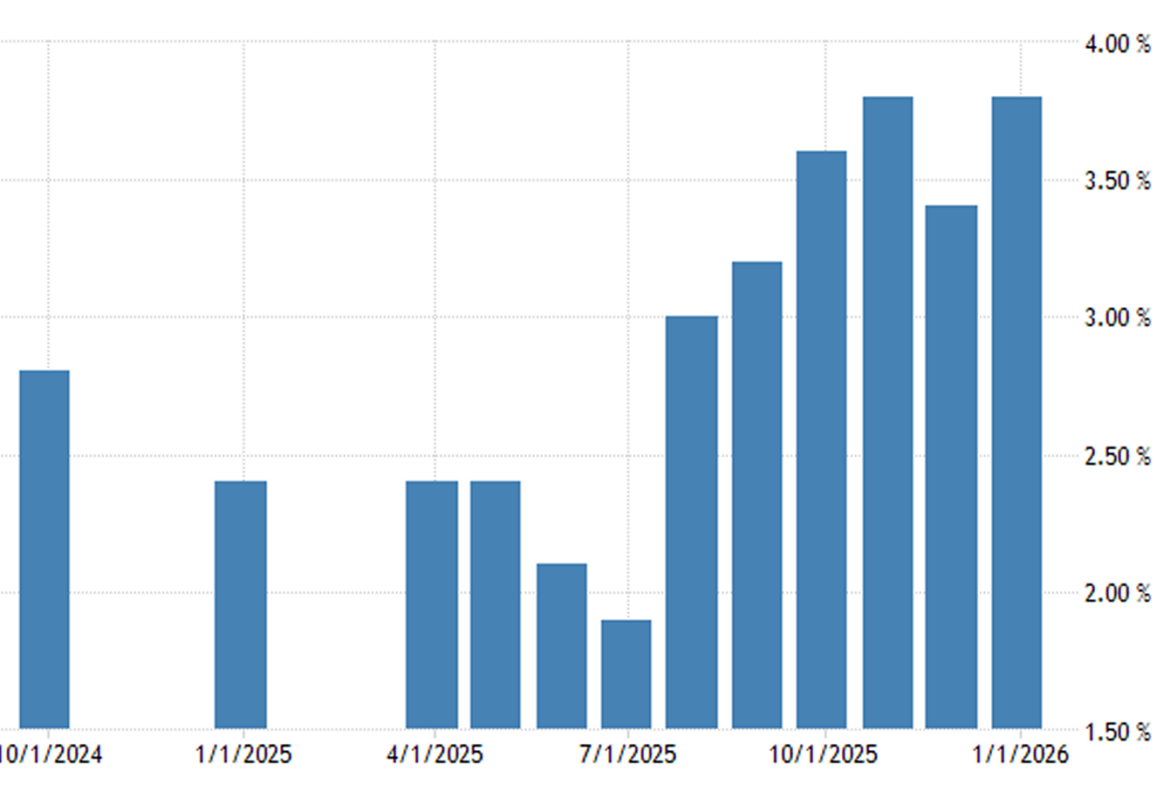
Inflation remains a central concern for Australia’s economy, affecting households, businesses, and government policy. Defined as the sustained increase in the general price level of goods and services, inflation directly influences purchasing power, interest rates, and economic stability. In 2026, Australia continues to experience pressures from both domestic and global factors, making it essential to understand the underlying causes and potential consequences.

Understanding Inflation

Inflation is measured through indices such as the Consumer Price Index (CPI) and reflects changes in the cost of living over time. Moderate inflation is generally considered a sign of a growing economy, encouraging spending and investment. However, high or unpredictable inflation can erode real incomes, create uncertainty for businesses, and undermine economic confidence. Policymakers aim to maintain inflation within target ranges to balance growth and stability.

Domestic Causes of Inflation

Several domestic factors contribute to inflation in Australia. Wage growth, labor market tightness, and rising production costs can drive prices upward. When businesses face higher input costs—such as energy, raw materials, or rent—they often pass these costs on to consumers, leading to cost-push inflation.

Consumer demand also influences price levels. Strong consumer confidence and increased spending can generate demand-pull inflation, particularly if supply cannot keep pace with demand. Housing market dynamics, including rising property prices and rents, further contribute to household expenditure increases.

Global Influences on Inflation

Australia’s open economy makes it sensitive to global economic conditions. Commodity price fluctuations, exchange rate movements, and international supply chain disruptions all impact domestic prices. For example, changes in oil or gas prices affect transportation and energy costs, while global food price shifts influence grocery bills.

International trade tensions, geopolitical instability, and changes in global interest rates can also contribute to inflationary pressures. A depreciating Australian dollar, for instance, increases the cost of imported goods, amplifying domestic price rises. Consequently, Australia’s inflation is both a local and global phenomenon, shaped by interconnected economic forces.

Government Policy and Monetary Measures

Government and central bank policies play a key role in managing inflation. The Reserve Bank of Australia (RBA) uses monetary tools, particularly the official cash rate, to influence borrowing, spending, and investment. Raising interest rates can moderate demand and curb inflation, while lowering rates can stimulate economic activity during periods of low inflation.

Fiscal policies, including taxation, subsidies, and public spending, also impact inflation indirectly. Infrastructure investments, social welfare adjustments, and regulatory changes can either dampen or amplify price pressures. Coordinated policy responses are therefore critical to maintaining price stability.

Pages: 1 2

Advertisement

logo (11)_new

Disclaimer: This website provides information for informational purposes only and accepts no responsibility for decisions made by users. We recommend that you carefully review all details and consult a professional.

All rights reserved © 2026